
US-China Trade and AI: What's Next?
China and the US: A Rare Earth Detente Signals a New Era of Collaboration?
The whispers coming out of Shanghai are fascinating, to say the least. It seems there's a potential thaw in the frosty relationship between China and the US regarding rare-earth element exports. Now, I know what you might be thinking: trade disputes, tariffs, the whole geopolitical shebang. But try to see past the headlines for a second.
This isn't just about supply chains or economics. It's about the foundation upon which our future is built. Rare-earth elements are the unsung heroes powering everything from smartphones to electric vehicles to, yes, even advanced AI systems. A stable and collaborative approach to these resources could unlock a wave of innovation we can barely imagine.
Beyond Trade Wars: Building a Future Together
The current snag, as reported, centers around the scope of the agreement. Washington believes past restrictions will be eliminated, a detail Beijing hasn't explicitly confirmed. Is this a simple miscommunication? A negotiating tactic? Or something more profound? It reminds me of the early days of the internet, when competing protocols threatened to fragment the entire system. Imagine if email was only compatible between certain providers. The potential was there, but the lack of collaboration almost killed it.
This rare-earth situation feels similar. We're on the cusp of a technological revolution fueled by these materials, and squabbling over details risks slowing everything down. Think about it: If US and Chinese researchers have unfettered access to these vital elements, what breakthroughs could we see in battery technology? In renewable energy? In medical devices? The possibilities are genuinely staggering.
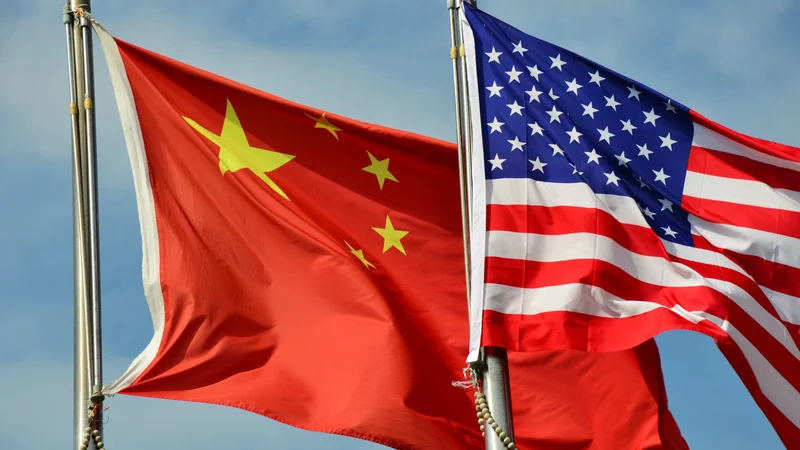
And it's not just about the technology itself. It's about the message it sends. A collaborative approach to rare-earth elements could signal a broader shift toward cooperation on other critical issues, like climate change and AI ethics. Imagine a world where the US and China aren't locked in a zero-sum game, but are instead working together to solve humanity's greatest challenges. When I first read about this potential deal, I honestly just closed my eyes and imagined that future for a moment. It was… inspiring.
Of course, we need to be realistic. There are legitimate concerns about fair trade practices, environmental responsibility, and national security. But these concerns shouldn't overshadow the potential benefits of collaboration. We need to find a way to balance competition with cooperation, to ensure that everyone benefits from the coming technological revolution.
And let's not forget the human element. Every trade agreement, every policy decision, ultimately affects real people. What does this potential detente mean for the workers who mine and process these materials? What does it mean for the communities that depend on these industries? These are questions we need to be asking ourselves, ensuring that progress doesn't come at the expense of human dignity.
A Glimmer of Hope on the Horizon
This rare-earth situation isn't just about trade; it's about trust, about building bridges instead of walls. It's a chance to show the world that even in a complex and competitive landscape, collaboration is still possible. And who knows? Maybe this is the first step towards a future where innovation knows no borders, and where the benefits of technology are shared by all.
Tags: us-china
Nairobi Official's Hospitalization: What Happened and the Fallout
Next PostWendy's Closing Hundreds of Locations: What Happened and Why?
Related Articles