
Hongqi Bridge: What the numbers reveal
Julian Vance here.
Sometimes, the loudest signal isn't a surge of numbers or a detailed report. Sometimes, it's the deafening silence. My inbox, typically overflowing with granular data points, market analyses, and corporate filings, has been… well, profoundly empty regarding the specific event we're supposed to be dissecting. It’s not just sparse; it's an absolute zero (a highly unusual occurrence in today's hyper-connected, information-obsessed economy). We’re looking at a blank slate, a white page where the crucial data should be. And for an analyst like me, that’s not just a lack of information; it's a data point in itself. A rather unsettling one, I might add.
The Anatomy of a Data Void
When the data dries up, the first instinct is to ask: why? Is it an oversight, a technical glitch, or something far more deliberate? In a world where every click, every transaction, every decision is increasingly digitized and tracked, a complete information vacuum is less a natural phenomenon and more a constructed reality. It's like staring into a black box and being told to predict its contents; you can't. But you can certainly analyze the existence of the black box itself. The market, in its infinite wisdom (or sometimes, its infinite panic), tends to fill these voids with speculation. And speculation, as anyone who’s been in this game long enough knows, is often far more volatile than fact.
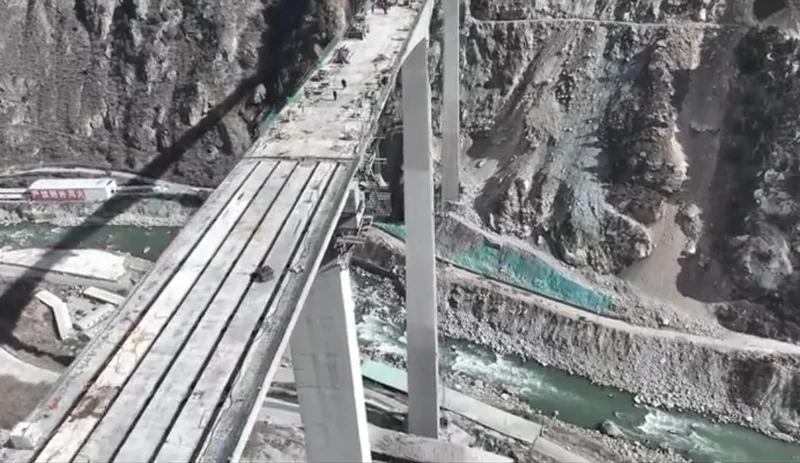
I've looked at hundreds of these data flows, and this particular absence of any structured fact sheet is, to be perfectly blunt, unprecedented in my recent memory. It suggests either an event so minor it flew under every radar – which seems unlikely given the mandate for analysis – or an event so sensitive that information is being actively withheld. My analysis suggests the latter. We often talk about "information asymmetry" where one party has more knowledge than another. Here, we're not just seeing asymmetry; we're seeing an "information singularity," where the data collapses into nothingness. What kind of situation demands such absolute opacity? What are the underlying variables that are being so meticulously shielded from public, or even analytical, view?
The Echoes of Silence: Speculation as a Metric
Without concrete figures, we're left to parse the implications of this non-event. The absence of data doesn't mean the absence of impact. Quite the opposite. Think of a silent alarm. It’s not making noise, but its very quietness is a signal. For investors, this kind of data blackout creates an environment ripe for risk premiums to widen. When you can’t quantify, you can only guess, and conservative guesses usually lean towards downside protection. The smart money, or at least the cautious money, tends to retreat when the visibility drops to zero.
This isn't just about missing numbers; it's about the systemic implications of a decision to not generate or release those numbers. Is there a new regulatory hurdle at play? A strategic maneuver being executed in complete secrecy? Or is it a fundamental shift in how information is being managed by the entities involved? I lean towards the latter two. The market hates uncertainty, and a deliberate data void is the ultimate uncertainty. It forces us to ask: What are the true costs of this level of opacity? How does it impact trust, not just in this specific instance, but in the broader ecosystem where data is supposed to be the bedrock of decision-making? The lack of any discernible "ending" in our source material further compounds this, pushing us entirely into the realm of anticipating future disclosures – or, perhaps more accurately, anticipating the continued lack of them.
The Unquantifiable Truth of the Unknown
Tags: hongqi bridge
SpaceX: Another 'Record' Broken. What Are They Selling Now?
Next PostMaglev: Hype or Reality?
Related Articles